An essential curation of findings from the IPCC Working Group III report (AR6) on mitigation. Here is what science reveals about technology and the immediate future:
📉 The Reality of Emissions
- HISTORICAL RECORD: Despite efforts, global greenhouse gas emissions between 2010 and 2019 were the highest in human history.
- THE TIME WINDOW: To limit warming to 1.5°C, global emissions must peak before 2025 (in less than 3 years) and be reduced by 43% by 2030.
- IMPLEMENTATION GAP: Current policies are steering us toward 2.8°C warming by the end of the century, far off the Paris Agreement goals.
⚡ Positive News: Technology & Costs
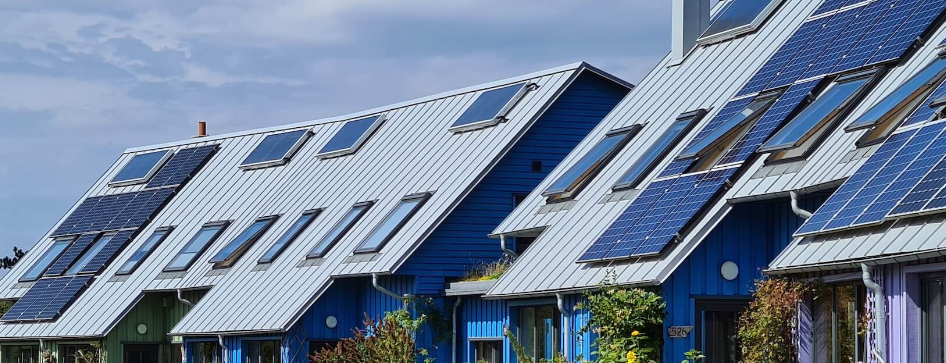
- PRICE DROP: Between 2010 and 2019, unit costs of solar energy fell by 85%, wind energy by 55%, and lithium-ion batteries by 85%.
- FEASIBILITY: We have technological options available across all sectors to halve emissions by 2030.
🛠️ Mitigation Pillars (According to the IPCC)
The report highlights that technology alone is not enough, but it is the engine of change. Key sectors include:
- Energy: Massive transition to renewables, decommissioning of fossil fuel infrastructure, and widespread electrification.
- Cities & Industry: Energy efficiency in buildings, material reuse (circular economy), and hydrogen use for hard-to-abate industrial processes.
- Land Use (AFOLU): Protection of forests and natural ecosystems that act as carbon sinks.
- Carbon Dioxide Removal (CDR): The IPCC acknowledges that deploying Carbon Dioxide Removal technologies is unavoidable to counterbalance residual emissions and achieve “Net Zero”.
💰 The Missing Link: Finance Current financial flows are 3 to 6 times lower than the levels needed by 2030. There is sufficient global capital, but it must be urgently redirected toward climate action.
Source: IPCC Sixth Assessment Report, Working Group III